
Welcome to the July edition of the ACDHS Update!
We’re back with another round of sector news, exciting opportunities, and member spotlights from across the Allied Health community.
IN THIS ISSUE
- Feature Story: Meet Our Newly Elected Board Directors – David Reid and Russ Hoye
- Strategic Issues & Policy Focus
- Research Round-Up
- Mental Health First Aid (MHFA) Spotlight
- Primary Healthcare Spotlight
- Events, Conferences & Grants
- Jobs Board
Feature Story
Meet Our Newly Elected Board Directors – David Reid and Russ Hoye
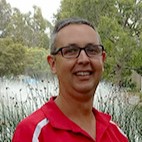
Associate Professor David Reid (Edith Cowan University)
“A chance to be part of something bigger.”
What happens when a passionate educator steps into a national leadership role with a vision for cross-sector impact? Associate Professor David Reid shares how joining the ACDHS Board has opened the door to shaping policy, influencing workforce development, and driving innovation that transcends individual disciplines. With a focus on inclusion, strategy, and sector-wide collaboration, David reflects on the power of unified leadership in allied health.
Read in full
For Associate Professor David Reid, joining the Board of the Australian Council of Deans of Health Sciences (ACDHS) represents more than a professional milestone – it’s a chance to contribute to sector-wide transformation. “It’s a unique and exciting opportunity,” he explains. “Being part of a national body that unites the full spectrum of allied health disciplines enables us to develop a truly strategic and inclusive approach to advancing the sector.”
What excites David most about his role on the Board is the potential to influence change on a national scale – beyond the boundaries of any single discipline or institution. “The work of ACDHS transcends professions. It allows us to drive innovation and collaboration across the entire allied health workforce, ultimately benefiting both practitioners and the communities they serve.”
David sees ACDHS’s strength in its power to convene: bringing together university leaders from across Australia to advocate for excellence in education, workforce development, and policy reform. “The Council is uniquely positioned at the intersection of higher education and health,” he notes. “That enables us to be both responsive to community needs and proactive in shaping health and education policy, especially in areas like rural health, placement capacity, and interdisciplinary learning.”
Of course, the sector is not without its challenges. David points to workforce shortages, limited placement capacity, and the need for culturally safe and responsive training as key concerns. “As demand for allied health services grows, universities are under pressure to deliver high-quality, practical education with limited resources. Placement availability – particularly in rural and remote areas – remains a major hurdle.”
He believes the most effective solutions will emerge through collaboration. “No single institution can tackle these issues alone. Shared models, joint advocacy, and cross-sector partnerships are essential to achieving sustainable and equitable outcomes.”
Building consensus across a diverse membership base is another area where David brings a thoughtful, inclusive approach. “It starts with respect and shared purpose,” he says. “By creating space for open dialogue and co-design, we can bring people together around common goals – like improving student outcomes and strengthening the future allied health workforce. Regular communication, empathy, and celebrating small wins help maintain momentum.”
Looking ahead, David hopes to amplify the voices of smaller allied health professions and strengthen their presence in national strategies. “These professions are vital to a well-rounded, accessible health system. Ensuring they are recognised and included in policy discussions is a key priority.”
Ultimately, David’s vision is one of unified progress. “I want to help build a sector that is collaborative, adaptable, and deeply valued. Through strategic advocacy, shared learning, and a collective voice, we can ensure allied health continues to evolve and thrive.”
Joining a national board that represents the full spectrum of allied health professions is a unique and exciting opportunity to contribute to meaningful, system-wide change. The chance to take a national perspective – one that transcends individual disciplines – allows for a more unified and strategic approach to advancing allied health across Australia. Being part of a Board that brings together diverse voices from across allied health means engaging in rich, interdisciplinary dialogue that can shape inclusive policies and initiatives. It’s particularly motivating to have input into national strategies that will benefit not just one profession, but the entire allied health workforce and the communities they serve. This role offers the potential to influence workforce development, education, and service delivery models, ensuring allied health is better recognised and supported at the highest levels. It’s a chance to be part of something bigger, driving innovation and collaboration across the sector.
The ACDHS plays a pivotal role in shaping the future of allied health education and workforce development across Australia. As a national representative body, it brings together leaders from universities offering clinical health science programs, fostering collaboration and strategic alignment across disciplines. ACDHS’s strength lies in its ability to advocate for excellence in education, promote interdisciplinary innovation, and influence health and education policy at a national and state level. By sitting at the intersection of academia and health systems, ACDHS ensures that allied health training is responsive to evolving community needs, particularly in underserved and rural areas. Its commitment to research advocacy and workforce planning supports sustainable, evidence-based solutions that benefit the entire sector. Through initiatives that enhance placement capacity, curriculum development, and professional standards, ACDHS empowers institutions to produce skilled, adaptable graduates ready to meet Australia’s health challenges with confidence and compassion.
The allied health education sector in Australia is currently grappling with several pressing challenges, including limited placement capacity, workforce shortages, and the need for culturally responsive training. As demand for allied health services grows, universities face increasing pressure to provide high-quality, practical learning experiences despite constrained resources and placement opportunities. Additionally, aligning education with evolving healthcare models and ensuring equitable access to training – particularly in rural and remote areas – remains a significant hurdle. To address these challenges, stronger collaboration across universities, health services, government bodies, and professional organisations is essential. By sharing resources, co-developing placement models, and engaging in joint advocacy, we can, together, create more sustainable and innovative solutions. A unified approach also enables the sector to advocate for and respond more effectively to national workforce strategies and policy reforms, ensuring that allied health education remains agile, inclusive, and future-focused.
Proactively engaging stakeholders across institutions requires a foundation of mutual respect, transparency, and shared purpose. When differing views and priorities arise, it’s essential to create inclusive spaces for dialogue where all voices are heard and valued. Building consensus starts with identifying common goals – such as improving student outcomes or advancing allied health education – and framing discussions around these shared interests. Active listening, empathy, and a willingness to adapt are key to fostering trust and collaboration. Facilitating structured forums, working groups, or co-design sessions can help surface diverse perspectives while promoting joint problem-solving. Clear communication, regular updates, and celebrating small wins also reinforce a positive, forward-looking culture. By focusing on relationships and long-term partnerships rather than short-term agreement, we can together navigate complexity with unity and purpose, ultimately driving more sustainable and impactful outcomes for universities and students.
Serving on a national allied health board presents a valuable opportunity to make a lasting, positive impact across the sector. A key focus will be raising the profile of smaller allied health professions, ensuring their voices are heard and their contributions recognised within broader health strategies. By identifying opportunities to share resources and best practices across disciplines and institutions, we can foster greater efficiency, innovation, and collaboration. This cross-pollination of ideas strengthens the sector as a whole and supports more equitable access to education and services. Importantly, advocating for allied health at a strategic government level will help shift the narrative – ensuring these professions are included early in policy discussions, not as a secondary consideration. Through proactive engagement, evidence-based advocacy, and unified messaging, we can elevate allied health’s role in shaping Australia’s health education system and ensure the future allied health workforce is supported, visible, and valued.
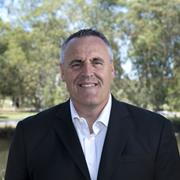
Professor Russ Hoye (La Trobe University)
Returning to the table with fresh momentum.
As a former Executive member and one of the architects of the Council’s constitutional reform, Professor Russ Hoye brings a deep knowledge of ACDHS – and a renewed drive to strengthen the future of allied health. Drawing on his experience across sport, health, education and research, Russ explores how effective leadership, clear strategy, and collaborative advocacy can push the sector forward.
Read in full
Professor Russ Hoye brings both continuity and fresh perspective to the ACDHS Board. As a returning member of the Executive (2019–2023), Russ was closely involved in the Council’s constitutional transition and has maintained a strong commitment to its mission ever since. “I’ve long valued how ACDHS supports its members – through advocacy, professional development, information sharing and identifying good practice in allied health education and training,” he says.
Now, as Pro Vice-Chancellor of Health Innovation, Dean of La Trobe’s School of Allied Health, Human Services and Sport, and Director of La Trobe Sport, Russ sees his return to the Board as a chance to further strengthen the sector. “I hope to contribute practical insights that will support better student outcomes, improve placement access, and elevate allied health’s voice in national discussions,” he says. His experience straddles sport, health, research, education and community engagement – positions that give him a panoramic view of the opportunities and pressures shaping the sector.
Throughout his career at La Trobe, Russ has led initiatives that directly mirror the challenges and priorities of ACDHS. “From improving student and staff experience, to engaging with accrediting bodies and building partnerships with the health sector, to developing university-run clinics and exploring new curriculum and service models – these are all areas that connect closely with the Council’s current focus,” he explains. His perspective is grounded in action and impact: how to turn good ideas into scalable, student-centred solutions.
Russ is especially passionate about workforce development and system-wide strategy. “There’s a real need for improved workforce planning across allied health,” he notes. “We need deeper engagement with government to support the education and training pipeline, and we must scale up the impact of allied health research, so it directly improves outcomes for patients and communities.”
When it comes to leadership, Russ speaks candidly about what works in complex systems like universities. “You need a clear goal, a simple plan, and strong communication,” he says. “But above all, surround yourself with a great leadership team – people who bring strengths you don’t have. Then trust and support them to do their work. That’s what delivers real, lasting outcomes.”
Looking ahead, Russ sees continued opportunity for ACDHS to elevate its profile and amplify its voice. “We need to keep strengthening partnerships, develop well-informed policy positions, and advocate strongly for the sector – particularly with government. But just as important is supporting our member institutions with tools, resources, and opportunities to share what’s working.”
Whether in sport, health or higher education, Russ brings a solutions-focused mindset to everything he does. His return to the ACDHS Board is both a homecoming and a renewed commitment to the future of allied health. “It’s an exciting time for the sector,” he says. “ACDHS is in a strong position to lead meaningful change – and I’m looking forward to being part of that journey.”
Having previously served as a member of the ACDHS Executive from 2019 to 2023, and was involved in the transition to the new Constitution, I have a long-standing interest in how the ACDHS supports its member organisations through advocacy, professional development, information sharing and identifying good practice in the education and training of allied health students to enter their respective professions.
In my time at La Trobe, I have been involved in wide variety of projects focused on improving student and staff experiences, supporting research activity, working with accrediting bodies, building relationships with health sector partners, initiating curriculum changes and changing service delivery models. These experiences will help me contribute to the Council’s work to increase placement capacity in the sector, enhancing the operations of university run student-led clinics, and workforce development issues.
My interests in allied health focus on advocating for better workforce planning, engagement with government to support allied health education and training and improving the scale and impact of allied health research to improve outcomes for patients and consumers of allied health care.
Being an effective leader in a complex system like a university relies on a few things – being a good communicator, having absolute clarity of what you are trying to achieve, networking with key decision makers that influence your access to resources, having a simple action plan that eveyoine can understand, and making sure your team has the capability to work with you to deliver on the plan. But if I had to call out one thing, it would be to spend the time building an effective leadership team around you that brings the skills and experiences that you don’t have and then trusting them to do their job and supporting them consistently.
The ACDHS will need to continue its work on developing effective partnerships with other groups, being an effective advocate for the sector to government, providing clearly articulated position papers on issues, and ensuring it keeps its focus on supporting its member organisations with advice and opportunities for sharing innovations and good practice.
Strategic Issues & Policy Focus
Why Allied Health Must Be Next in Line for the Commonwealth Prac Payment Program
“A new report released today by the Australian Council of Deans of Health Sciences powerfully makes the case for including allied health professions in paid prac placements and increasing the rate.” – Senator David Pocock, read the full media release here.
The Commonwealth Prac Payment program launched on 1 July 2025 – offering much-needed financial relief to students in nursing, midwifery, teaching, and social work. But what about the rest of the health workforce? This compelling new report by Professor Greg Kolt makes a powerful case for including all Allied Health disciplines in the next phase of the program. Drawing on national data, placement models, workforce shortages, and the rising tide of placement poverty, the report delivers evidence-backed recommendations that policymakers – and the sector – can’t afford to ignore.
Read the full report and see why it’s time to put allied health on the CPP map by clicking the link below.
Strategic Issues Groups – Upcoming Meetings & New Group Announcement
The Strategic Issues Groups (SIGs) are now being established, with four groups scheduled to meet over the next month.
First Meetings
- Allied Health Teaching – covering WIL, placements, and student clinics.
- Rural, Remote & First Nations Allied Health Workforce
New Group Launch: We’re excited to announce the formation of a new SIG: Allied Health Research, led by A/Prof. David Reid. The AH Research first meeting will be held on 21 August at 11:30am (EST).
If you are interested in joining this group or any other SIG, please contact Anne Keohane strategicsupport@acdhs.edu.au to express your interest.
Research Roundup

Flinders University to embark on a $300 million state-of-the-art health service for South Australia
Flinders University will establish a cutting-edge 10-storey Flinders HealthCARE Centre in Adelaide’s south, backed by a $150 million Federal Government contribution, matched by the University. The Centre will deliver faster access to care with 10,000 additional health appointments each year and produce 1,300 extra graduates annually across nursing, allied health, and clinical disciplines – directly addressing workforce shortages. Construction is expected to begin in 2027.
Mental Health First Aid (MHFA) Spotlight
Mid-Year Check-In
As we move into the second half of the year, we encourage all participating universities to keep a close eye on uptake across their courses. Some institutions are doing exceptionally well – great to see! – while others are yet to see any or have only low engagement so far.
We understand that for some, the program is planned for Semester 2 rollout. That said, our goal remains to fully utilise the allocations provided as part of your 2025 opt-in. If there are any challenges or barriers to voucher uptake, please don’t hesitate to reach out. I’m here to support you and help make the most of this valuable program and its benefits to students.
Resources are available at: https://acdhs.edu.au/mental-health-first-aid/, or contact me directly if you need tailored support – such as suggested student emails or a copy of your unique course registration links.
Leonie Yeoman – leonie@acdhs.edu.au
Primary Healthcare Spotlight
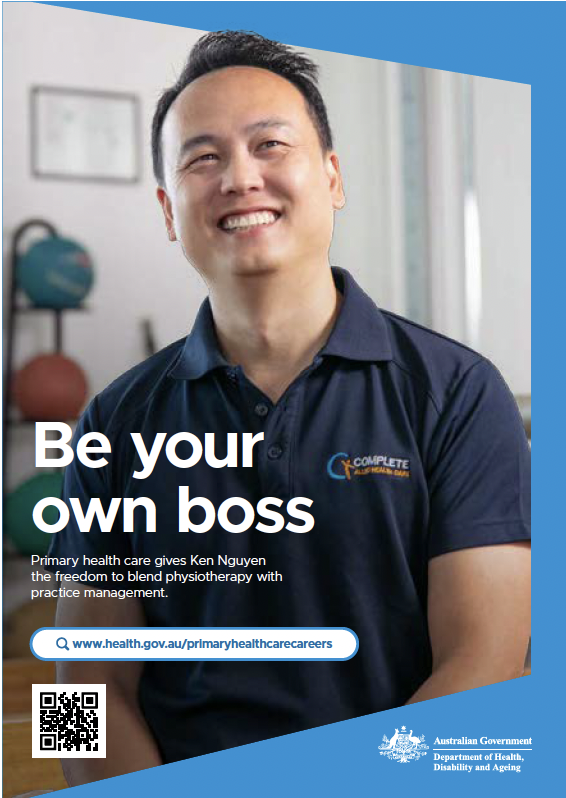
After graduating physiotherapy and co-founding a group of clinics, Ken Nguyen found primary health care offered both impact and opportunity.
“I still see clients regularly and I also get to bring my business skills into the day-to-day work,” says Ken Nguyen.
For Ken, the best part of the job is always seeing people make a full recovery.
Events, Conferences and Grants

Events and Conferences
- 16th National Allied Health Conference
Dates: 11-14 August 2025
Location: Adelaide Convention Centre | Online - Allied Health Assistant (AHA) Day
Date: 12 November 2025
Location: Online (hosted by Monash Health) - Indigenous Allied Health Australia (IAHA) National Conference
Dates: 24–26 November 2025
Location: Novotel Resort Twin Waters & Sunshine Coast Convention Centre, QLD
Grants and Opportunities
- Health Workforce Scholarship Program (HWSP)
Application Period: 1 July – 12 August 2025
Funding: Up to $10,000
Purpose: Supports rural and remote health professionals, including allied health, in enhancing their skills and scope of practice. - Ability Action Australia Graduate Program
Applications Open For: Mid-2025 and 2026 intakes
Program Length: 12 months
Features: Offers structured support and career pathways for new allied health graduates.
Jobs Board

QLD
Sessional Academics, School of Exercise and Nutrition Sciences – QUT
Professor of Psychology and Discipline Lead – UniSC
SA
Allied Health and Human Performance – Casual Register – University of SA
WA
Senior Lecturer/Associate Professor in Diagnostic Imaging – Murdoch University
NSW
Lecturer/Senior Lecturer (Nutrition and Food Science) – ACU
Lecturer/Senior Lecturer and Associate Professor – Physiotherapy – UNSW
Research Fellow Allied Health – University of Sydney
Feedback & Engagement
We value your input! Share your feedback and suggestions with us – admin@acdhs.edu.au. Have a story or achievement to share? Get in touch to be featured in next month’s edition.
Thank you for reading the ACDHS Update. We look forward to bringing you more inspiring stories and valuable updates next month.
Know someone who should receive the ACDHS Update?
Follow us on LinkedIn and Facebook
We respectfully acknowledge the Traditional Owners of Australia’s lands and waters and their enduring connection to Country. As an education and health sciences association, we recognise the vital role of Indigenous knowledge in shaping holistic approaches to learning, wellness, and healthcare. We honour Aboriginal and Torres Strait Islander peoples, past and present, and their custodianship of knowledge embedded in the land. In paying our respects to Elders, we commit to fostering cultural understanding and partnerships for equitable and inclusive education and healthcare.