
Welcome to the November edition of the ACDHS Update!
This month’s edition brings together a wide-ranging collection of insights, achievements and sector developments from across the allied health community. Our feature story highlights the newly released ACSES Equity Fellowship report led by Dr Amani Bell, showcasing the power of student–staff partnership in addressing placement inequities and shaping more inclusive models of professional education.
We also share progress from our Strategic Issues Groups, important research highlights from across the sector, and a new Mental Health First Aid Spotlight recognising Deakin University’s outstanding student engagement. This month marks the launch of our Member Acknowledgements section, celebrating the contributions and accolades of colleagues making a significant impact in education, research and practice.
You’ll also find key awareness dates, upcoming events and grants, new resources, and a comprehensive jobs board to support workforce development and sector engagement.
Thank you for your continued commitment to strengthening allied health education, research and leadership across Australia. We hope you enjoy this month’s Update.
IN THIS ISSUE
- Feature Story: ACSES Equity Fellowship Report: Tackling Placement Inequities Through Student Partnership
- Strategic Issues & Policy Focus
- Research Round-Up
- Mental Health First Aid Spotlight – Deakin University
- Member Acknowledgements
- Sector Events & Awareness Dates
- Events, Conferences, Grants & Resources
- Jobs Board
Feature Story
ACSES Equity Fellowship Report: Tackling Placement Inequities Through Student Partnership

A new ACSES Equity Fellowship report, Addressing placement inequities via participatory action research, led by Dr Amani Bell (University of Sydney) with student co-researchers Minahil K., Lachlan Sibir, Tara Soanes, and Tina Tran, highlights how universities, industry, and government can create fairer and more inclusive experiences for students undertaking mandatory work placements.
The project explored the challenges faced by tertiary students – particularly in disciplines such as teaching and nursing – where unpaid or under-supported placements can lead to significant financial and wellbeing pressures. Through a participatory action research model, students and educators worked together to identify dozens of practical, student-centred solutions.
Key Findings
- Funding is crucial. Direct financial support from Federal and State governments, universities, and industry was identified as the most effective way to alleviate “placement poverty.” While the Commonwealth Prac Payments initiative is a positive step, many degrees with compulsory placements remain excluded, and international students are still ineligible.
- Flexibility matters. Students called for more flexible and part-time placement options to better balance study, employment, and caring responsibilities.
- Inclusion is essential. The report emphasises the need for universities and placement sites to strengthen inclusive practices – creating culturally safe, disability-accessible, neurodiverse-affirming, and LGBTQIA+-friendly learning environments. A strengths-based approach should guide educators and placement partners in valuing students’ diverse abilities and contributions.
Recommendations
The Fellowship calls for expanded financial support, increased flexibility in placement models, and a stronger focus on inclusive practice across all sectors involved in student placements.
“When students are partners in identifying solutions, we get more equitable and practical outcomes that benefit everyone,” said Dr Bell.
Read the full report: https://www.acses.edu.au/publication/addressing-placement-inequities/
Strategic Issues & Policy Focus
Strategic Issues Groups Update
Our Strategic Issues Groups (SIGs) are actively advancing discussions and initiatives of importance across the sector. Of the six groups, three have already held or scheduled their second meetings this month, showing strong momentum and commitment to advancing key priorities.
At the end of October, four groups submitted funding proposals to the ACDHS Board for 2026, aimed at strengthening allied health education, accreditation, research, and workforce development. These proposals are currently under review by an independent panel, and we’re excited about the potential impact they could have across our sector.
Here’s a snapshot of the proposals under consideration:
- Regulation & Accreditation Issues Group
Exploring accreditation processes and outcomes across allied health professions to ensure quality and consistency.
- AH Teaching, Placements & Student Clinics
Developing a Clinical Education Community of Practice to enhance teaching and placement experiences.
- Early Career AH Academic Workforce
Launching a mentoring scheme across member groups and introducing a PD scholarship top-up to support emerging academics.
- AH Research
Conducting a survey of ACDHS members to inform a comprehensive Allied Health Research Strategy.
Addressing the lack of clarity and consistency in expectations for collaborative research education within allied health programs.
These initiatives reflect the passion and expertise within our SIGs to tackle challenges and create opportunities for growth.
Want to get involved?
If you’re interested in joining any of the SIG groups or learning more about their work, please reach out to Anne Keohane at strategicsupport@acdhs.edu.au
Research Roundup
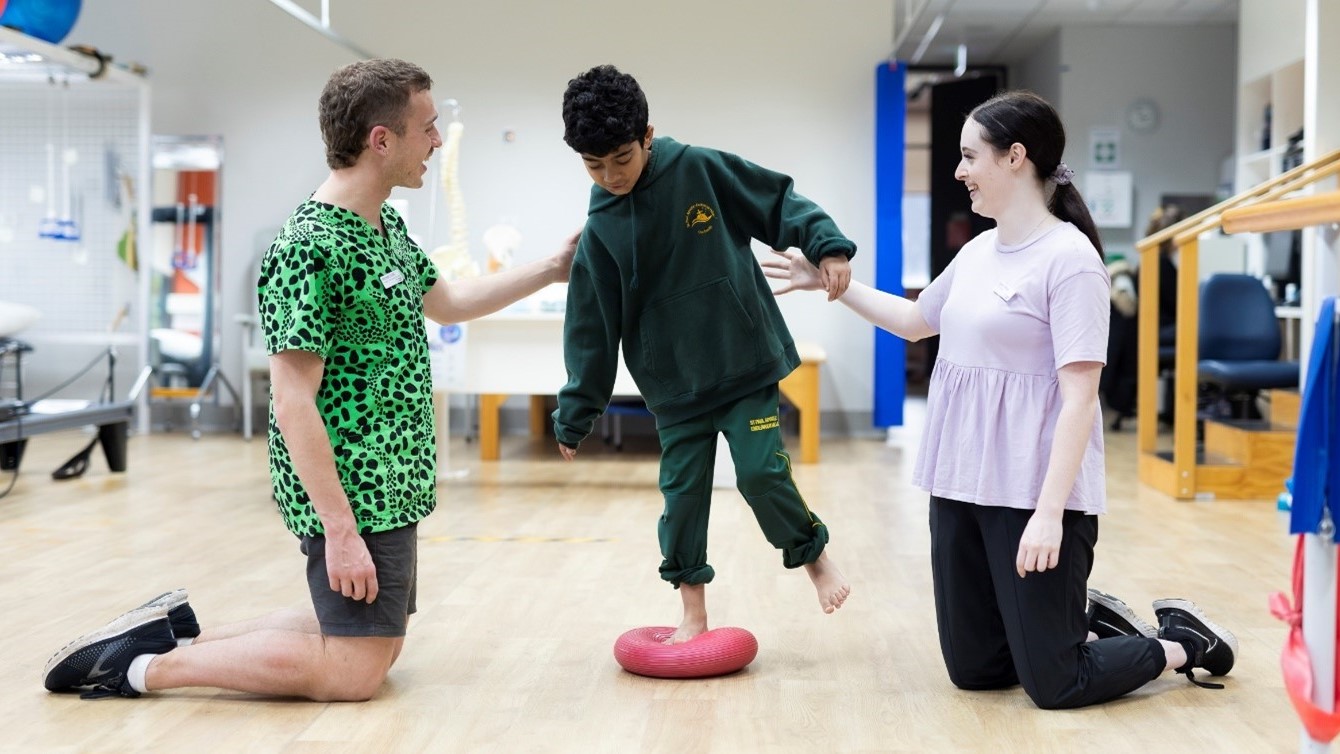
Monash Health appointed to lead new Victorian Centre for Advancement in Allied Health
In October 2025, Monash Health was appointed to lead the newly established Victorian Centre for Advancement in Allied Health, a centralised workforce hub designed to support, plan and strengthen the allied health professions across Victoria. Backed by AU$3.4 million in funding for the first three years, the Centre will partner with health services, academic institutions and unions to enhance clinical practice, supervision, workforce planning and leadership development across 27 allied health professions with over 42,500 practitioners in the state.
The Centre is currently recruiting its leadership and key roles including Director, Deputy Directors and a Senior Clinician, and is developing its strategic plan and operational framework for the coming year. This initiative offers a timely opportunity for allied health sectors to engage in statewide policy, evidence-based practise and education partnerships, aligning with ACDHS’s interests in placement capacity, workforce development and innovation in allied health education.
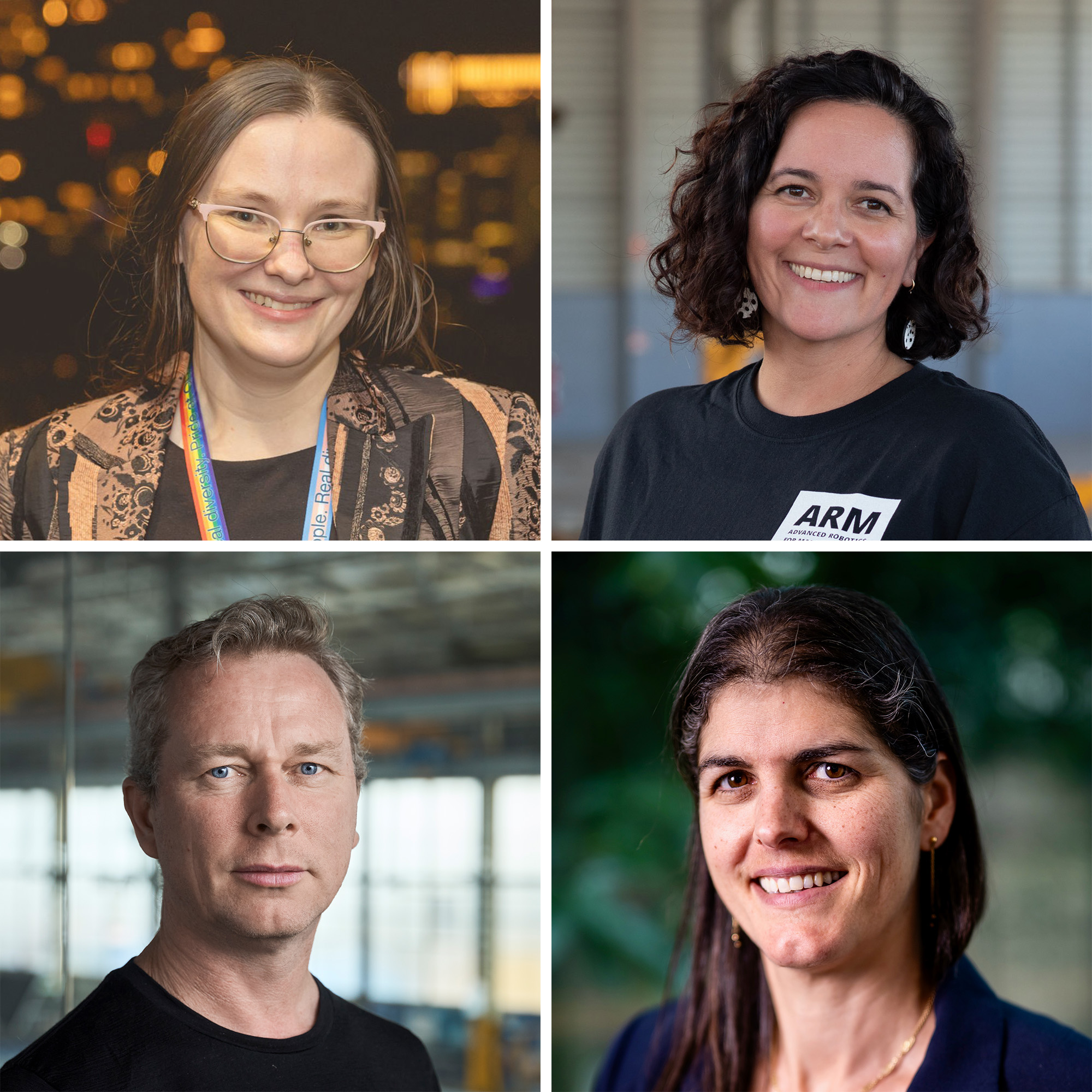
Supporting Independent Living with “Seeing” Technologies
Associate Professor Laurianne Sitbon from the QUT School of Computer Science has been awarded $747,855 for the project Supporting Independent Living with “Seeing” Technologies.
The project engages people with cognitive disabilities in the design of next-generation home assistive technologies that leverage advances in vision-language artificial intelligence to support independent living.
Professor Sitbon said the research will prioritise ethical and privacy-conscious approaches, enabling users to co-design smart mirrors and social robots that help them safely navigate and interact with their home environments.
“By establishing design guidelines, co-design approaches, and evaluation frameworks, this project will create a new paradigm for multi-modal assistive technology, benefiting both users and carers,” she said.
“The outcomes will drive innovation in Australia’s assistive technology market, improve quality of life for people with cognitive disabilities, reduce reliance on institutional care, and inform policies aligned with Australia’s Disability Strategy (2021–2031).”
Other QUT researchers involved in the project include Dr Jessica Korte, Associate Professor Jared Donovan and Professor Glenda Caldwell.

NHMRC statement on Global Health Research and International Collaboration
The CEO of the National Health and Medical Research Council (NHMRC), Professor Steve Wesselingh, has released a new statement outlining NHMRC’s position on global health research and the importance of international collaboration.
The statement provides clarity for researchers seeking guidance on NHMRC’s support for cross-border health research efforts.
Members can access the full statement here.
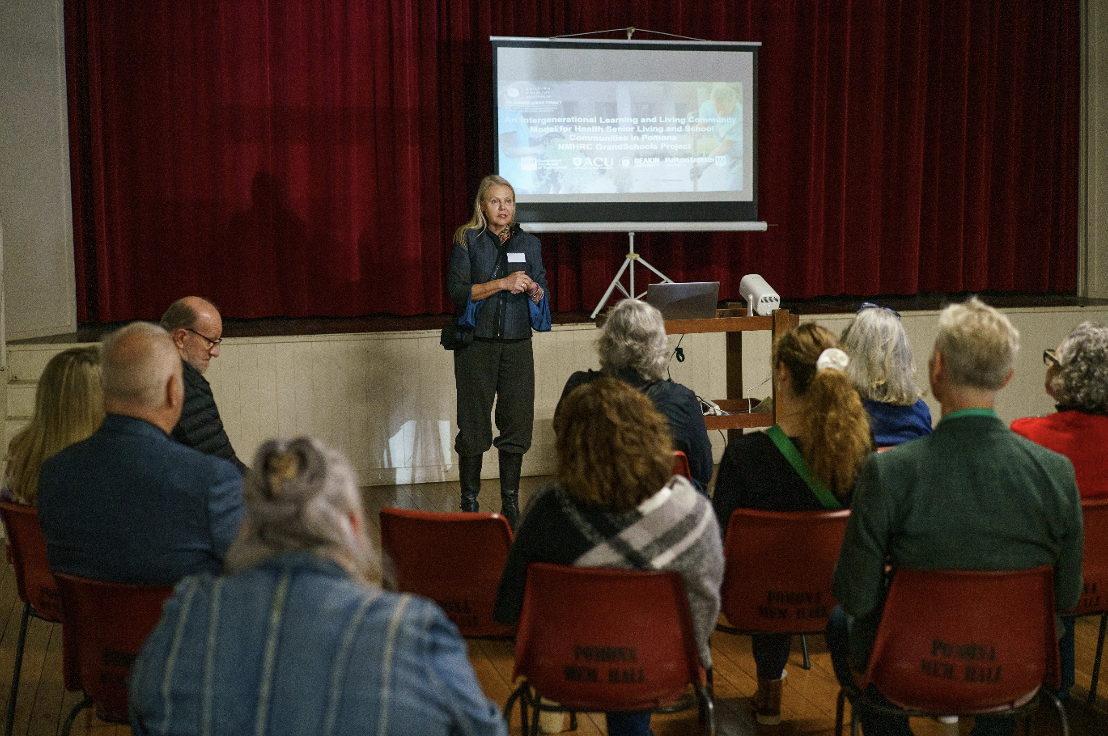
Image supplied by Alain Bouvier Photography
GrandSchools Intergenerational Township Model: Regional Pathways for Healthy Ageing and Youth Engagement
A recent GrandSchools workshop in Pomona (Noosa Shire) explored an intergenerational township model that co-locates senior living and secondary schooling within shared precincts. The model aims to re-engage local youth through a Special Assistance School, deliver age-friendly and affordable housing, and foster intergenerational programs with community partners.
Representatives from local government, community organisations and industry – including Life Without Barriers and Fulton Trotter Architects – joined speakers such as Sandy Bolton MP and Noosa Shire Mayor Frank Wilkie to examine viability and implementation pathways.
By reducing travel burdens and enabling shared-use facilities, the model strengthens social connection, supports psychosocial safety, and creates vocational and allied health pathways that keep young people and local businesses engaged locally.
The NHMRC-funded GrandSchools collaboration (QUT, ACU, Deakin, WSU) provides an evidence-informed policy and regional implementation agenda that universities and ACDHS members can use to support placement quality, regional workforce development and healthy ageing initiatives.
Mental Health First Aid (MHFA) Spotlight
Deakin University continues to demonstrate strong commitment to supporting student wellbeing, with an impressive 88% uptake of MHFA eLearning vouchers across its eligible health cohorts. This high level of engagement reflects dedicated coordination within the university and a clear focus on equipping students with practical, evidence-based skills to recognise and respond to mental health concerns in clinical and community settings. Deakin’s proactive approach ensures that future health professionals are better prepared to create safe, inclusive, and compassionate environments for the people they will serve.
Key MHFA Information:
Please note that Friday, 12 December 2025 is the deadline to commence the e-Learning modules. Any vouchers not activated (commenced) by this date will be removed from your allocation. (leonie@acdhs.edu.au)
Member Acknowledgments
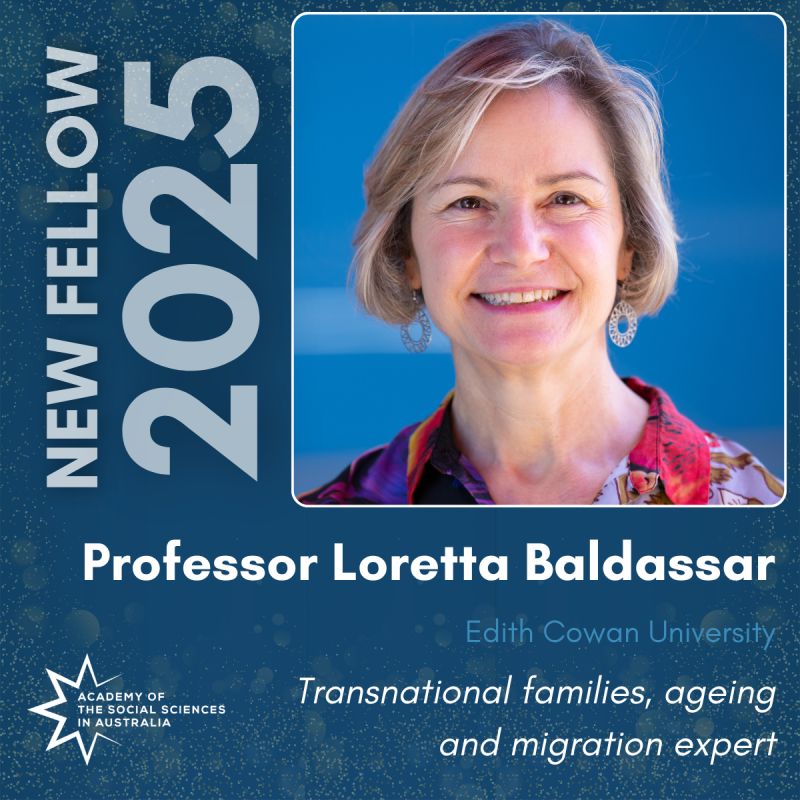
Professor Loretta Baldassar
Elected Fellow — Academy of the Social Sciences in Australia
Edith Cowan University’s Professor Loretta Baldassar has been honoured for her internationally distinguished contribution to migration, ageing, and care research. As Director of the Social Ageing (SAGE) Futures Lab, she has pioneered work on digital kinning – demonstrating how older migrants use digital technologies to sustain connection, identity, and wellbeing across distance.
Her research has shaped international policy, including the WHO Social Connection and Social Health report, and continues to inform national practice in ageing, multicultural care, and social inclusion.
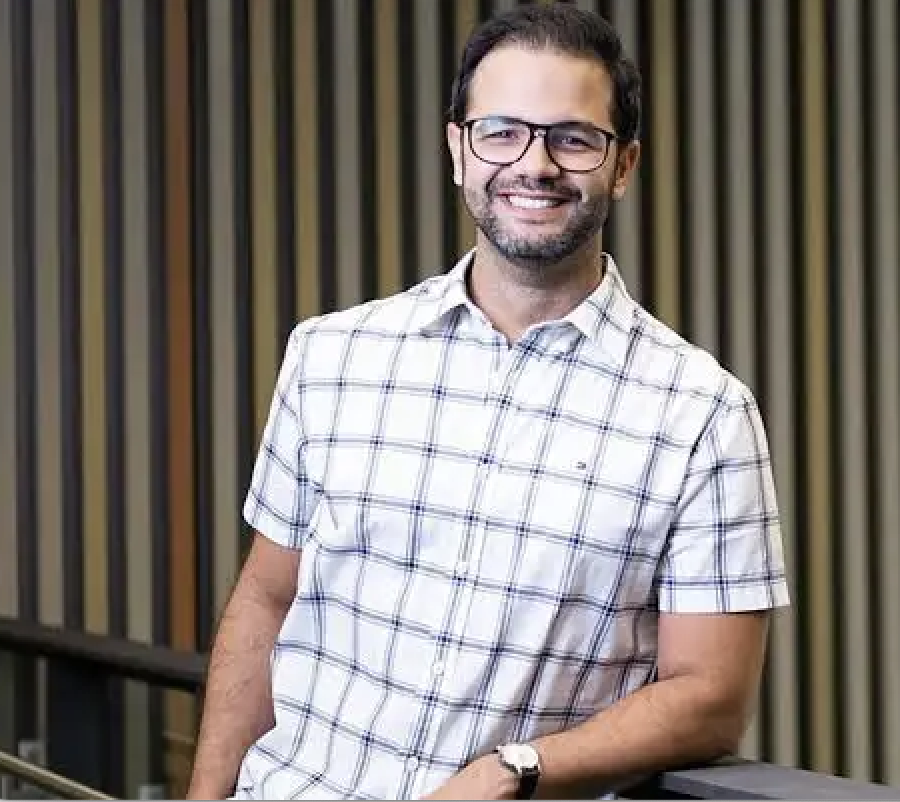
Associate Professor Vinicius Cavalheri
Winner — Allied Health Leader of the Year (WA)
Curtin University academic and Director of Allied Health Research at South Metropolitan Health Service, Associate Professor Vinicius Cavalheri, has been awarded Allied Health Leader of the Year at the WA Excellence in Allied Health Awards.
This recognition highlights his outstanding leadership in building research capacity, advancing innovation, and strengthening collaboration across the WA allied health community. Vinicius dedicated the award to his team, partners, and mentors, noting the profound impact that shared purpose and partnership have had on his journey.
Know someone we should celebrate?
We are introducing Member Acknowledgements to recognise significant achievements, honours, and contributions across our ACDHS community. If you or a colleague have recently received an award, fellowship, major appointment, or other noteworthy recognition, we would love to hear from you.
Please email brief details (and a photo if available) so we can feature them in an upcoming Update. (leonie@acdhs.edu.au)
Sector Events & Awareness Dates
International Day of People with Disability (IDPwD)
3 December 2025
Each year, IDPwD promotes awareness, understanding, and acceptance of the 5.5 million Australians living with disability. It’s an opportunity for universities, health organisations, and the broader community to recognise the contributions of people with disability and commit to building more inclusive environments.

Meet the Ambassadors

Upcoming Events, Grants, Opportunities and Resources

Opportunities
- Puggy Hunter Memorial Scholarship Scheme
Applications Open for 2026 intakes
Program Length: 12 months
Features: This program provides structured support and clear career pathways for new allied health graduates, helping to strengthen the future workforce. - Ability Action Australia Graduate Program
Applications Open for 2026 intakes
Program Length: 12 months
Features: Offers structured support and career pathways for new allied health graduates.
Grants
A new grant opportunity is now open through the Australian Government’s Grants Portal: “Disability Health Support Program – Stream 2: Health Professional Education and Training”. Details and eligibility criteria can be found on Grants.gov.au
Events and Conferences
- WFOT Congress 2026
Dates: 9-12 February 2026
Location: Bangkok, Thailand - 14th Health Services Research Conference
Dates: 2-4 December 2026
Location: Wellington, New Zealand
Resources
For more than 25 years, the Australian Indigenous HealthInfoNet (a free web resource) has been helping to close the gap in health between Aboriginal and Torres Strait Islanders other Australians by making the evidence base freely accessible. It provides in one place the vast knowledge, resources and information needed for health practitioners and policy-makers to make informed decisions and support their work.
The knowledge exchange research aims at providing the knowledge and other information needed for time poor health practitioners and policy-makers to make informed decisions and deliver this in a way that is timely, accessible and relevant.
Jobs Board

VIC
- Senior Lecturer, Physiotherapy – La Trobe
- Lecturer, Speech Pathology – La Trobe
- Lecturer, Speech Pathology – La Trobe
- Lecturer/Senior Lecturer in Exercise Physiology – La Trobe
- Lecturer, Occupational Therapy – La Trobe
- Senior Lecturer, Occupational Therapy – La Trobe
- Senior Lecturer, Physiotherapy – La Trobe
- Clinical Research Officer (Dietician) – ACU
- Casual Foundation Studies Teacher – Psychology – RMIT
QLD
- Associate Professor and Academic Head, Speech Pathology – James Cook University
- Child Health Psychologist – Mater Misericordiae Hospitals and QCH – South Brisbane
- Speech and Language Pathologist (Child Health Research Centre – South Brisbane
- Occupational Therapist – Mater Misericoriae Hospitals and QCH – South Brisbane
- Casual Academics – School of Psychology – UQ
- Lecturer – Psychology – UQ
- Clinical Academic – Allied Health – CQ University
- Lecturer in Clinical Psychology – UniSC
- Lecturer in Paramedicine – UniSC
SA
- Lecturer in Remote Health (Allied Health) – Flinders
- Lecturer in Rural and Remote Health (Aboriginal and/or Torres Strait Island Health) – Flinders (Renmark)
- Lecturer in Rural and Remote Health (Aboriginal and/or Torres Strait Islander Health) – (Mt Gambier) – Flinders
- Lecturer in Remote Health (Allied Health) (Tennant Creek) – Flinders
WA
- Associate Lecturer (Clinical Dental Academic) – UWA
- Lecturer – Field Education Coordinator (Social Work and Social Policy – UWA
- Exercise Physiologist – Edith Cowan
- Lecturer – Dietetics – Edith Cowan
- Lecturer – Occupational Therapy – Edith Cowan
NT
- Lecturer in Remote Health (Allied Health) Gove District Hospital, Nhulunbuy – Flinders
NSW
- Clinical Educator (Dentistry/Oral Health) – Casual Opportunity – Charles Sturt
- Postdoctoral Fellow – Psychology – UNSW
- Clinic Administrator – Psychology – UNSW
- Dean, School of Health Sciences – Western Sydney University
TAS
- Lecturer in Paramedicine – University of Tasmania
Feedback & Engagement
Have a story or research achievement to share? We’d love to hear about it!
Thank you for reading the ACDHS Update. We look forward to bringing you more inspiring stories and valuable updates next month.
Know someone who should receive the ACDHS Update?
Follow us on LinkedIn
We respectfully acknowledge the Traditional Owners of Australia’s lands and waters and their enduring connection to Country. As an education and health sciences association, we recognise the vital role of Indigenous knowledge in shaping holistic approaches to learning, wellness, and healthcare. We honour Aboriginal and Torres Strait Islander peoples, past and present, and their custodianship of knowledge embedded in the land. In paying our respects to Elders, we commit to fostering cultural understanding and partnerships for equitable and inclusive education and healthcare.